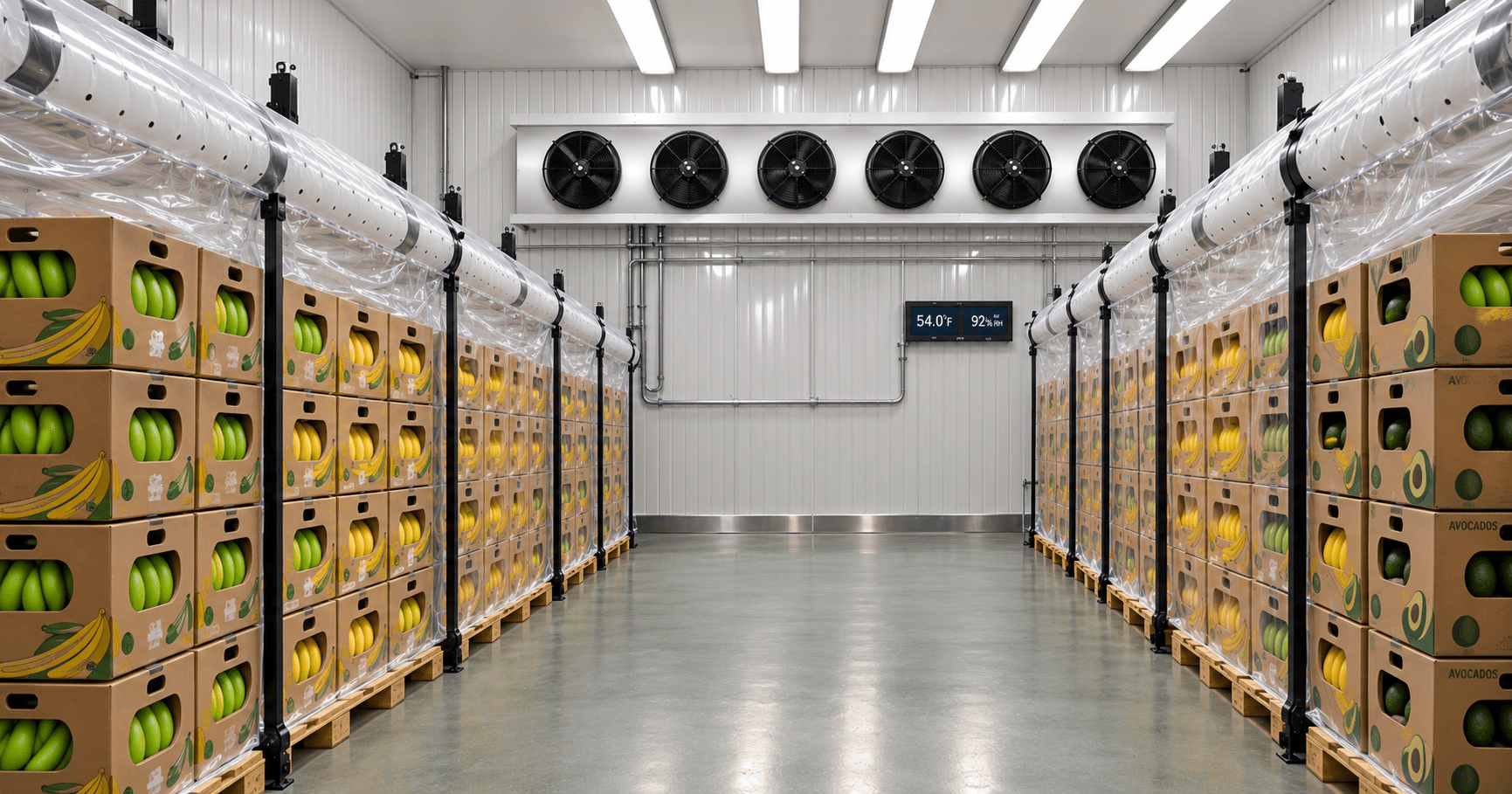
Cold storage ripening rooms help produce distributors control the conditions that influence how fresh produce ripens after harvest. Getting produce to consumers at the right stage of ripeness requires careful management of temperature, humidity and other environmental conditions throughout the supply chain. Customers are quick to notice and make purchasing decisions based on ripeness, including color, firmness, flavor, aroma and overall eating quality. Traditional ripening does not necessarily happen uniformly across an entire commercial load. Controlled ripening environments allow operators to manage conditions rather than simply waiting for fruit to ripen naturally. The goal is to create greater consistency and predictability in product quality when it is needed throughout the supply chain. Bananas, avocados, mangoes and tomatoes are common examples of produce that can benefit from controlled ripening.
What Is a Cold Storage Ripening Room?
Ripening rooms are controlled environments designed to manage the conditions that influence the ripening process of fresh produce. These conditions can include temperature, relative humidity, airflow, ethylene concentration, ventilation and CO₂ accumulation. Specific requirements vary depending on the type of produce being ripened, making proper room design, refrigeration and environmental control important parts of a commercial ripening operation.
Bananas provide a good example of how these conditions work together. According to the UC Davis Postharvest Research and Extension Center, most commercial banana cultivars require temperatures between 59°F and 68°F and 90% to 95% relative humidity during ethylene treatment to promote uniform ripening. Bananas also require exposure to 100–150 ppm of ethylene for 24–48 hours. A forced-air system can help provide more uniform cooling or warming while maintaining consistent ethylene concentrations throughout the ripening room.
Produce ripening rooms create controlled environments that help manage when and how fresh produce ripens throughout the supply chain. By controlling factors such as temperature, humidity, airflow, ethylene and ventilation, these rooms can support more consistent product quality and help reduce waste.
Where Ripening Rooms Fit into the Produce Supply Chain
Produce goes through several stages on its journey from the grower to the end consumer. Because of the transportation, handling and time involved, controlling when ripening occurs can be a critical part of maintaining product quality.
The process begins with growers, where certain types of produce may be harvested before reaching full consumer-ready ripeness. This allows the product to better withstand the handling, transportation and time required to move through the supply chain. During transportation, temperature and storage conditions help manage how quickly the product changes, making it important to control not only the final level of ripeness but also when that ripening occurs.
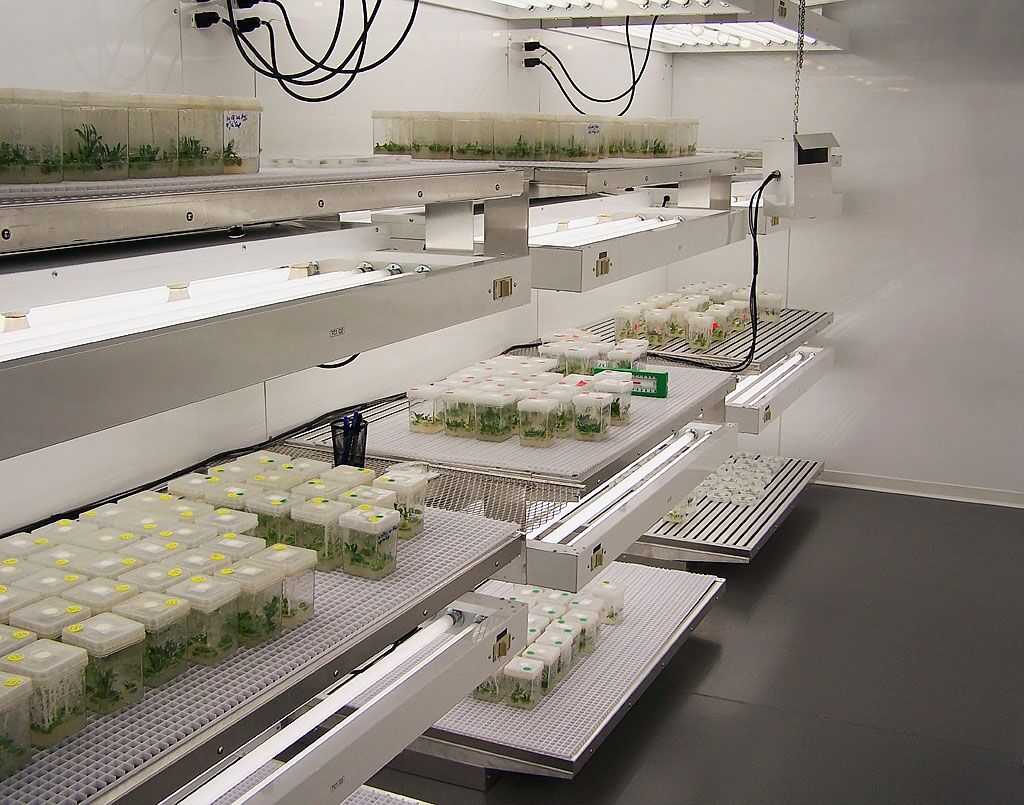
Controlled environments can also play a role earlier in the produce supply chain. Grow rooms and growth chambers allow producers to manage environmental conditions during plant growth, while cold storage and ripening rooms help maintain and manage produce after harvest. KPS Global provides custom insulated panel solutions for ripening rooms designed around specific temperature and humidity requirements, creating controlled environments that can support agricultural operations from growth through post-harvest storage and distribution.
Distribution and commercial ripening are critical steps in this process. Once produce reaches a distribution facility, controlled ripening environments provide operators with greater control over when the product is ready for its next destination. By managing environmental conditions, produce can be brought closer to the desired stage of ripeness before being shipped to retail or foodservice operations. The ripening room serves as a controlled transition between transportation and market-ready produce.
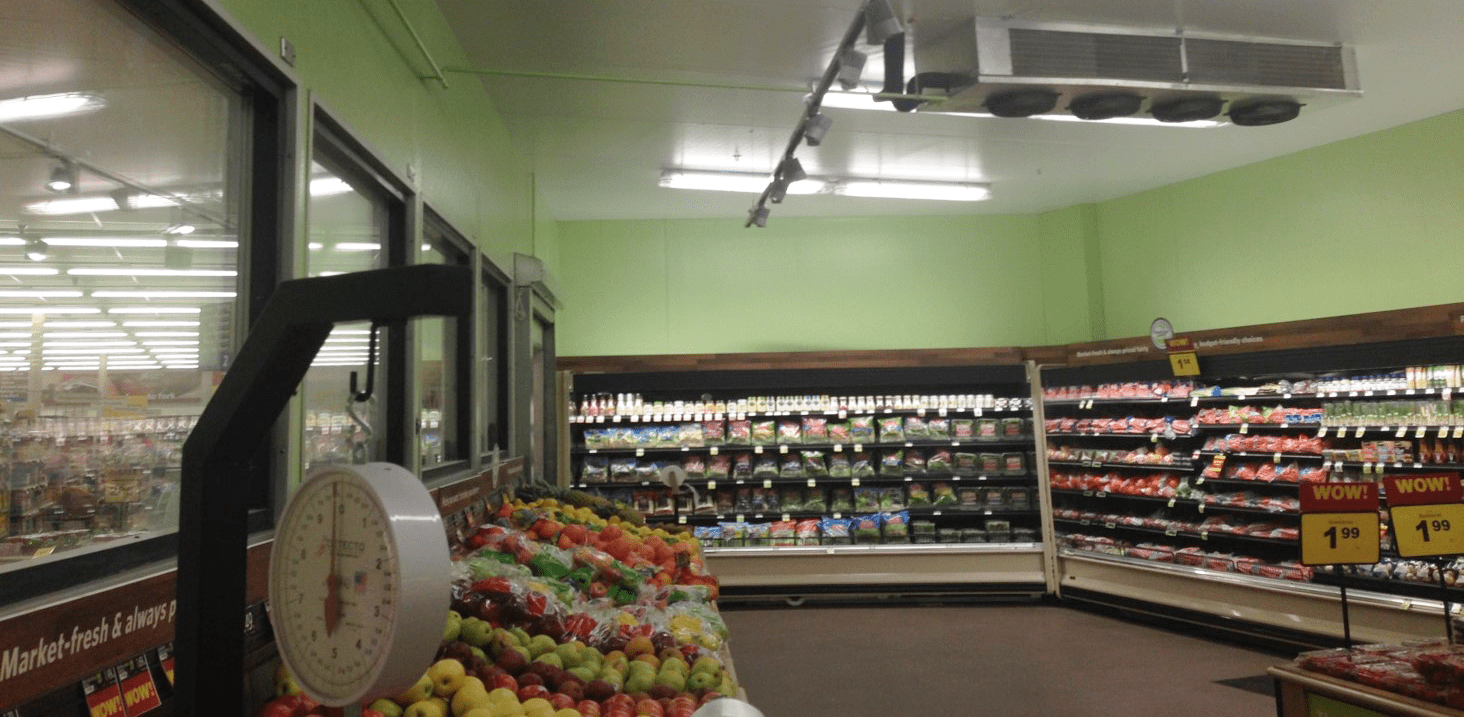
Retail and foodservice operators may also have different requirements for produce. Retailers need produce to arrive at an appropriate stage of ripeness while maintaining enough shelf life for customers to purchase and consume it. Foodservice operators may require produce closer to its desired ripeness depending on how quickly it will be used. Understanding these different needs and controlling ripening accordingly can help maintain product quality and reduce unnecessary food waste. Ultimately, better control throughout the process can create a more consistent experience for the consumer at the point of purchase and consumption.
What Makes an Effective Ripening Room?
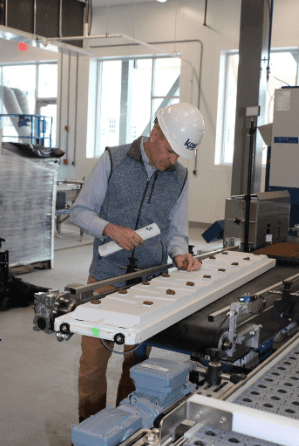 An effective ripening room relies on several environmental factors working together to create consistent conditions throughout space. Temperature and humidity help control the rate of ripening and moisture loss, while proper airflow helps distribute temperature and ethylene evenly throughout the product load. Ethylene, a naturally occurring plant hormone, can be used to initiate and promote more uniform ripening for certain types of produce.
Ventilation is also an important part of the process because produce continues to respire after harvest, releasing CO₂. Excessive CO₂ accumulation can interfere with ripening. In the case of bananas, for example, the UC Davis Postharvest Research and Extension Center recommends maintaining CO₂ concentrations below 1% to avoid delaying the effects of ethylene. Each of these factors must be carefully controlled based on the specific commodity being ripened, making the performance of the cold storage room an important part of the overall ripening system.
Why Construction Quality Impacts Ripening Performance
At food distribution facilities, cold storage spaces can serve several functions as produce moves through the operation. Walk-in coolers, freezers, refrigerated warehouses and ripening rooms can provide dedicated temperature-controlled environments for receiving, storing, ripening and preparing products for distribution. While operating conditions vary by application, each space depends on an insulated envelope that can help maintain the conditions required for the product and process.
For cold storage ripening rooms specifically, the performance of the room depends not only on the refrigeration and equipment used to control environmental conditions, but also on the quality of the room itself. A well-insulated, tightly sealed panel system helps limit heat transfer and air leakage, making it easier to maintain the temperature, humidity and other controlled conditions required for consistent ripening.
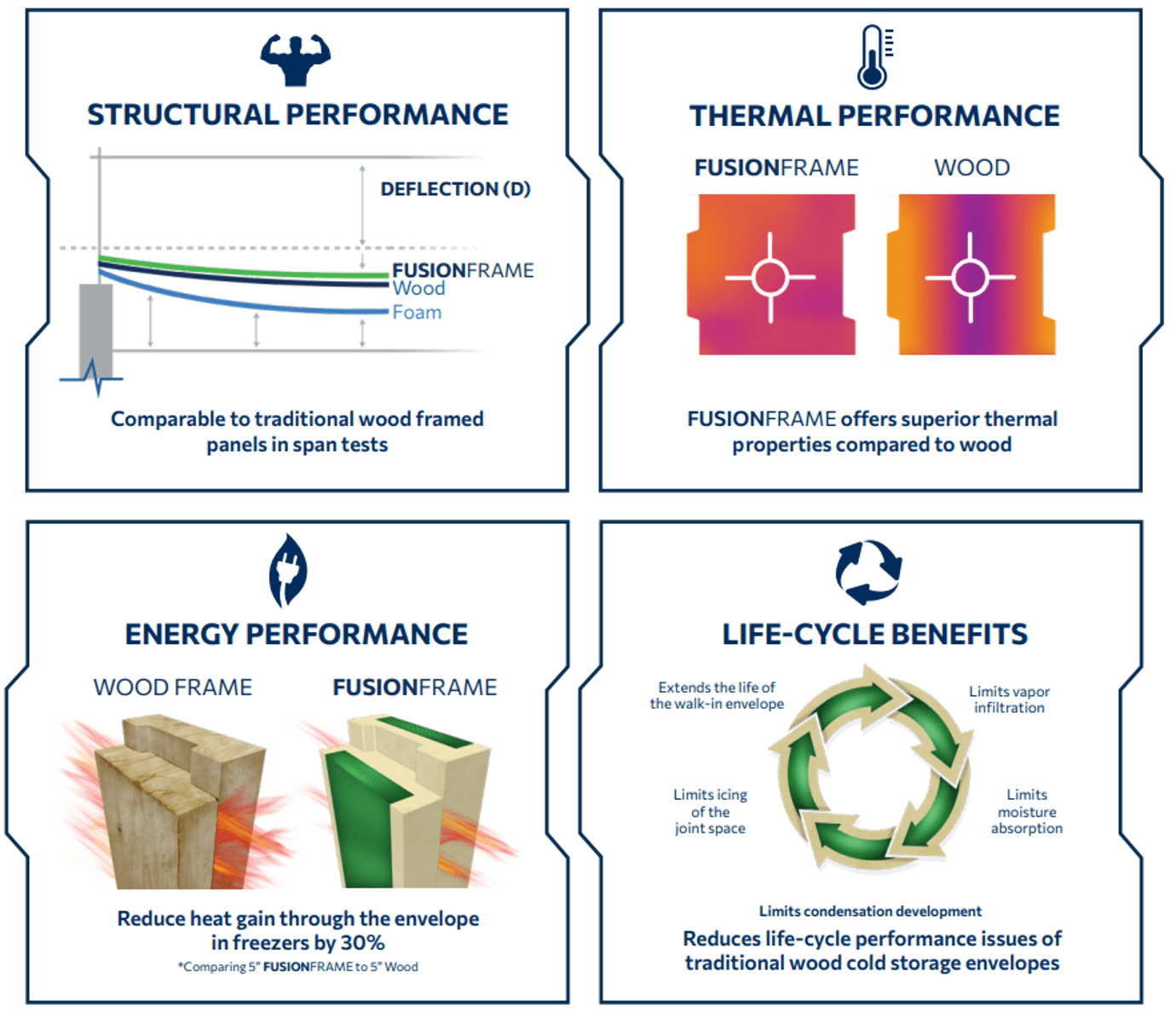
Because ripening environments can operate at high relative humidity levels, materials, panel joints, doors and penetrations should also be designed with moisture exposure and long-term performance in mind. Panel construction can further support the performance of the controlled environment. KPS Global® FUSIONFRAME® panels, for example, provide span strength comparable to traditional wood-framed panels while delivering improved thermal performance. FUSIONFRAME can reduce heat gain through the cold room envelope by up to 30%, helping support the performance of large cold storage and controlled environment applications
For larger commercial operations and food distribution facilities, structural strength, room configuration, workflow and future capacity are also important considerations. Custom insulated panel systems allow cold storage environments to be designed around facility-specific requirements rather than forcing the operation into a standard configuration.
Key points:
- Ripening rooms help control temperature, humidity, airflow, ethylene and ventilation based on the needs of the produce.
- Controlled ripening can provide greater consistency and predictability across commercial product loads.
- Ripening rooms play an important role in transportation and market-ready produce in the supply chain.
- A well-insulated, tightly sealed room envelope helps maintain the controlled conditions required for effective ripening.
- Proper planning should account for product type, capacity, workflow, refrigeration, ventilation and future growth.
Why KPS Global for Ripening Room Cold Storage Solutions
KPS Global brings decades of experience designing and manufacturing insulated environments for demanding temperature-controlled applications. With custom-engineered insulated panel systems, extensive manufacturing capabilities and engineering expertise, KPS Global can develop solutions around each facility’s specific layout, performance requirements and plans for future growth.
Depending on the application, solutions such as FUSIONFRAME® can help minimize heat transfer at the frame while maintaining the structural performance needed for larger applications. From the insulated envelope to integration with refrigeration and supporting systems, KPS Global takes a complete-system approach to creating reliable, efficient controlled environments designed for long-term performance.
FAQs
Frequently Asked Questions
What is a produce ripening room?
A produce ripening room is a controlled environment designed to manage conditions such as temperature, humidity, airflow, ventilation and ethylene concentration to help certain produce ripen more consistently. These conditions can be adjusted based on the specific requirements of the produce being ripened.
What types of produce can be ripened in a ripening room?
Commercial ripening rooms are commonly used for produce such as bananas, avocados, mangoes and tomatoes. Ripening requirements vary by commodity, making proper temperature, humidity, airflow and ethylene management important for maintaining product quality.
Why is airflow important in a ripening room?
Proper airflow helps maintain consistent temperature and distribute ethylene throughout the product load. Uneven airflow can create differences in environmental conditions throughout the room, potentially resulting in inconsistent ripening.
Why does insulation matter in a ripening room?
Insulation helps limit heat transfer between the ripening room and the surrounding environment. A well-insulated, tightly sealed envelope makes it easier for refrigeration and ripening systems to maintain the controlled conditions required throughout the ripening process.
Can ripening rooms help reduce produce waste?
Controlled ripening can help operators better manage when produce reaches its desired stage of ripeness. Greater consistency and predictability can help align product readiness with distribution, retail and foodservice needs, reducing the risk of produce becoming overripe before it can be sold or remaining underripe when it is needed.