Summary
The EPA’s revised compliance deadlines have moved, but the industry’s long-term transition toward lower-GWP refrigerants remains underway.
For facility owners planning new stores, distribution centers or cold storage expansions, the decision is no longer simply about what refrigerant is allowed today. It’s about balancing upfront costs, future refrigerant availability, operational risk and long-term sustainability goals.
At KPS Global®, we believe the best refrigeration strategy is one that delivers value throughout the entire lifecycle of the facility. By understanding both the opportunities and potential risks created by these regulatory changes, owners can make decisions that protect both their investment and their operations for years to come.
Avoid using high pressure hoses or large volumes of water during cleaning and never use harsh chemicals like acetone or paint thinners, as they can damage the units finish and seals. For more recommendations, check out our helpful tips here.
Following the Technology Transitions Rule of 2023, the EPA walks back deadlines to adhere to lower Global Warming Potential Refrigerants
The EPA has decided to extend the compliance date for the transition to new, lower Global Warming Potential (GWP) refrigerants. In 2023, the Technology Transitions Rule sought to restrict the use of higher-GWP HFCs in over 40 subsectors.
For remote condensing unit refrigeration systems, the new date of compliance will be January 1, 2032, instead of January 1, 2026. That means that R-448a (HFC/HFO blend) which has a GWP less than 1,400 is still an acceptable refrigerant in certain applications.
Why This Matters to Cold Storage Facilities
Supermarkets, grocery distributors, cold storage warehouses and food processing facilities depend on reliable refrigeration systems to protect products, maintain food safety and control operating costs.
The EPA’s deadline extension gives operators additional flexibility when planning new construction and renovation projects. Organizations that were not immediately planning to transition entirely to A2L refrigerants can continue to utilize established refrigerants such as R-448A in qualifying applications.
For facility owners facing budget constraints, escalating construction costs or multiple ongoing renovation projects, the delay may help ease short-term financial pressure by preserving more equipment options.
Evaluating the ROI of Long-Term Solutions
While the equipment compliance deadline has moved, the American Innovation and Manufacturing (AIM) Act refrigerant phasedown schedule has not changed.
Congress’ AIM Act requires significant reductions in the production and consumption of Hydrofluorocarbon (HFC) refrigerants. Beginning January 1, 2029, the supply of many HFC-based refrigerants, including refrigerants used in systems operating with R-448A, will be reduced substantially.
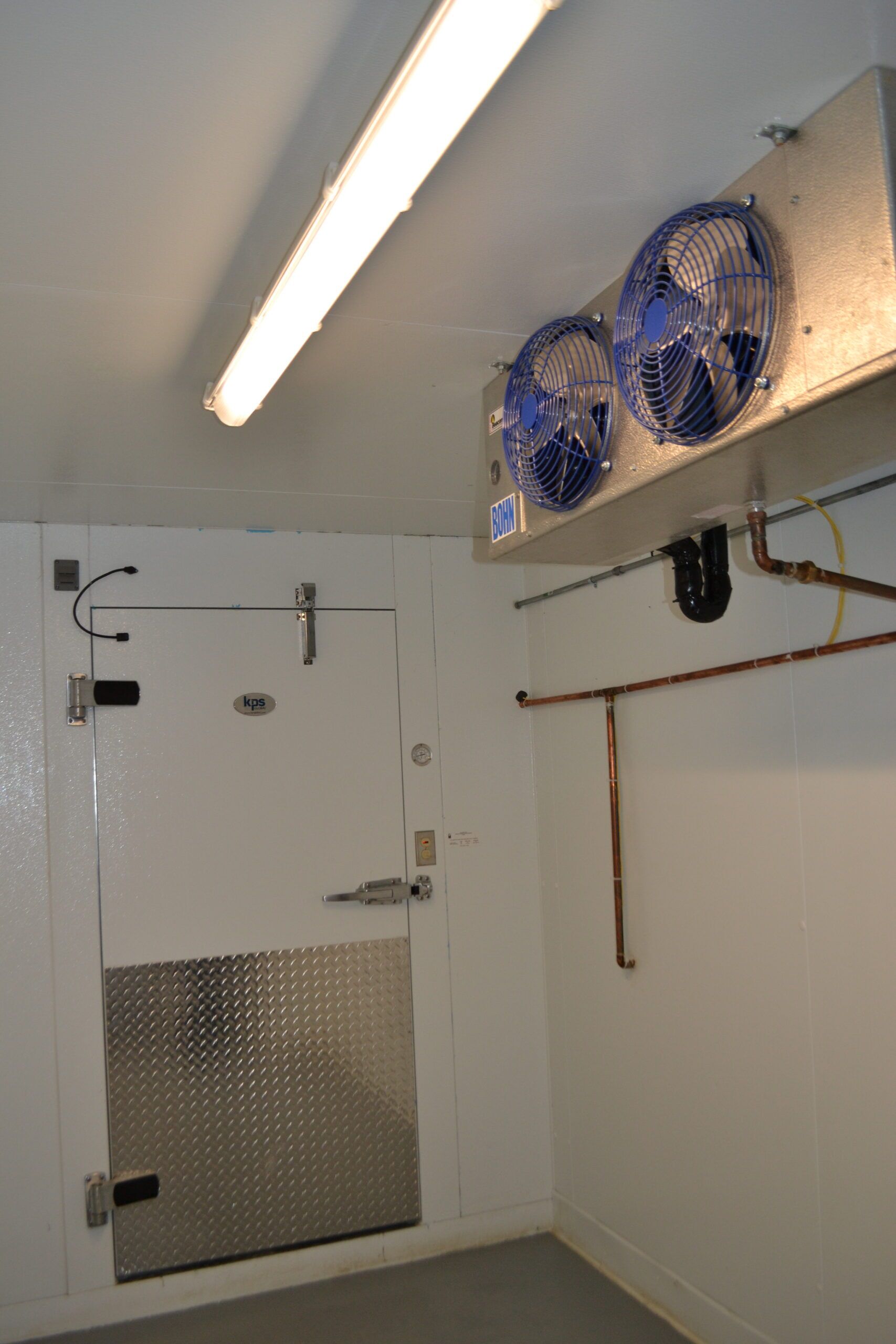
This means operators could continue installing equipment designed for R-448A, but the refrigerant itself may become increasingly expensive and more difficult to acquire over time. For facilities with large refrigerant charges or systems prone to leaks, future refrigerant replacement costs could become a significant concern. A refrigerant refill that is cost-effective today may carry a much higher price in the years to come.

Dual Refrigerant Operations offer flexibility to operate with either R-448a or new A2L refrigerants. For operators with short term budget constraints, dual-refrigerant systems allow owners to convert to A2L down the road with a simple refrigerant swap.
One Size Doesn't Fit All: State Regulations Matter Too
Several states, including California, Washington and New York, have adopted refrigerant regulations that are more restrictive than federal requirements. In some applications, these state rules may require use of A2L or natural refrigerants regardless of the federal timeline extension.
As a result, organizations with national footprints should evaluate both federal and state requirements before selecting a refrigeration strategy.
FAQs
Frequently Asked Questions
What refrigerants are permitted under current EPA regulations?
Several lower-GWP refrigerants are approved for use in commercial and industrial refrigeration applications, depending on the equipment type and operating conditions. These include natural refrigerants such as CO₂, ammonia, and propane, as well as A2L refrigerants including R-454A, R-454C, R-454L, and R-455A. Refrigerant selection should always be evaluated based on system design, application requirements, safety standards, and local regulations.
Can I still install refrigeration equipment that uses R-448A?
Yes, in many applications the EPA’s extended compliance timeline allows continued installation of equipment designed for R-448A through January 1, 2032. However, operators should also consider future refrigerant availability and state-specific regulations that may impose additional restrictions.
Should I choose an A2L refrigerant system today?
The answer depends on your facility’s goals, budget, location and long-term operating strategy. Facilities planning for decades of operation may find value in adopting lower-GWP refrigerants now, while others may prefer solutions that provide flexibility to transition later. A lifecycle cost analysis can help determine the best path forward.
What factors should cold storage facilities consider when selecting a refrigerant?
Facility owners should evaluate:
- Regulatory compliance requirements
- Long-term refrigerant availability
- Initial installation costs
- Energy efficiency and operating expenses
- Safety and training requirements
- Equipment compatibility
- Future expansion or renovation plans
- Total lifecycle cost of ownership